Two years ago nobody asked us about exosomes. Now they come up in maybe a third of our conversations with clinics, phrased the same way every time: "Real thing, or hype?" Fair question. Here is our straight answer, written for practitioners deciding whether this belongs in their menu and their next order.
The biology, without the sales pitch
Cells talk to each other. One of the ways they do it is by releasing tiny membrane-bound packages, roughly 30 to 150 nanometers across, filled with growth factors, peptides, lipids, and various forms of RNA. Those packages are exosomes. They dock with neighboring cells and hand over instructions: repair this, make more of that, calm down over here.
That is the whole concept. Not a filler, not a volumizer, not something that pushes tissue anywhere. An exosome preparation is a signaling product. It does not add material to the skin, it asks the skin's own cells to behave differently, primarily by nudging fibroblasts toward collagen and elastin production and by damping inflammatory activity. Most cosmetic-grade products derive from plant sources, stem cell culture media, or salmon, and the source matters enormously for regulatory status and purity. More on that below.
Where does this fit within the rest of your product range?
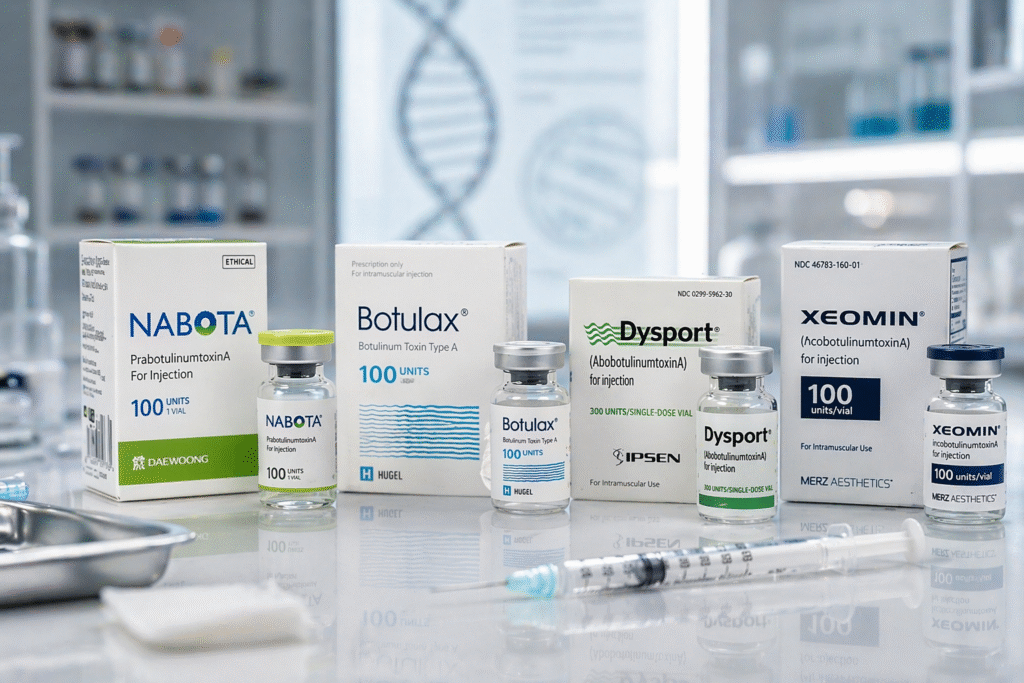
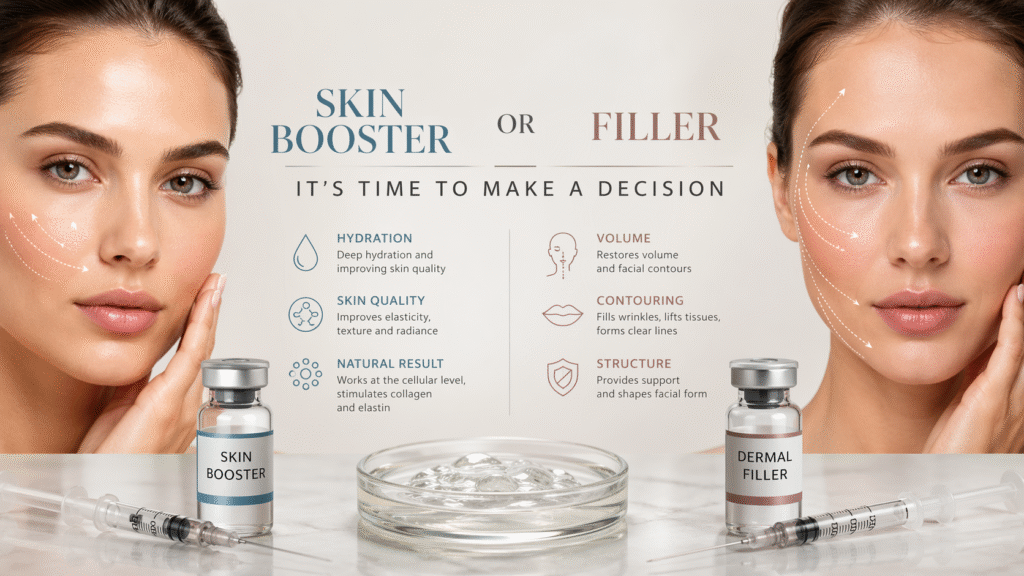
This is precisely the information clinics need, so let’s get down to specifics. A filler fills space and creates a structural framework. A skinbooster saturates tissues with hyaluronic acid, providing hydration and radiance. PDRN and polynucleotides supply nucleotide fragments, that promote tissue repair and improve skin quality from within. Botulinum toxin relaxes the muscles.
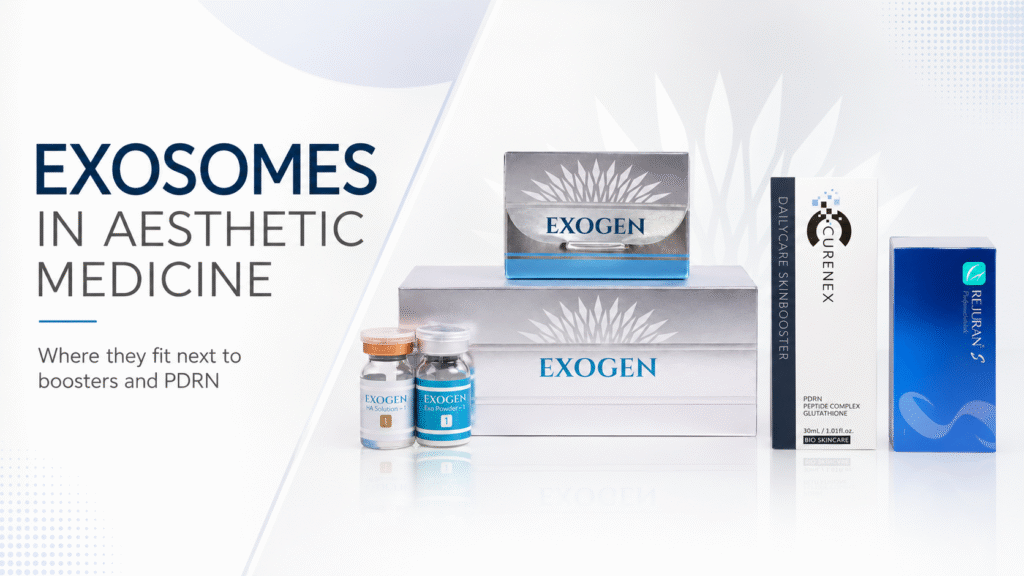
PDRN supplies "building blocks" while simultaneously sending signals at the receptor level. Exosomes, on the other hand, deliver a far more extensive and complex set of instructions. In practice, most of the experienced specialists we work with do not view these products as competitors, instead, they regard exosomes as a way to boost the results of primary treatments. When applied after microneedling, laser resurfacing, or RF therapy – procedures that render the skin barrier temporarily permeable and trigger a cascade of restorative processes – the product reaches the tissues at the precise physiological moment for which it was designed. This combination yields the most consistent results and makes perfect business sense, the product integrates seamlessly into the treatments your clinic already offers.
What we tell clients about expectations
We would rather undersell this category, than have a clinic disappointed. Exosomes are not a shortcut, and nobody sees dramatic change on day two. What practitioners report is gradual improvement in texture, tone, pore appearance, and redness, developing over weeks and usually requiring a course, not one application. Patients with volume loss need filler. Patients with dynamic lines need toxin. Patients whose complaint is "my skin looks tired and irritated and nothing quite fixes it" are the ones this category was built for.
The issue of regulation also requires clear clarification. Exosome-based products are classified differently across various markets, and regulatory requirements vary furthermore, certain source materials are treated very differently depending on the jurisdiction. A supplier who glosses over these nuances is doing you a disservice. Before building your practice around this product, be sure to determine exactly which regulations apply in your region.
Why the category exploded in Korea first
A short detour, that explains a lot about pricing. Korea did not stumble into exosomes, the country already had the infrastructure. Two decades of building purification and quality-control capacity for toxins, HA gels, and PDRN meant the labs able to isolate nanoscale vesicles were, more or less, already standing. Add a domestic clinic market dense enough, that a mediocre product gets found out within a season, and you get rapid iteration. Formats, that were considered experimental earlier have now become standard and are affordably priced. Meanwhile, the freeze-dried products dominating the market emerged because Korean manufacturers solved the stability issue. We see this cycle repeat with every new product category, which is precisely why our assortment is built around Korean-made goods rather, than whatever happens to be the cheapest option in a given quarter.
How to judge a product before you buy it
Our purchasing checklist, shared openly, because an informed client is a repeat client. Look for a stated source and a manufacturer willing to name it. Look for particle characterization data: real size distribution and concentration figures, not a number printed on a box. Look for sterility and endotoxin testing, lyophilized formats with sensible storage requirements, and a factory with real production capacity behind the brand. Korean manufacturers moved into this category early and invested seriously in purification and standardization, which is precisely why we source here. The competitive pressure in this market weeds out weak products faster than any importer could.
Here are the factors that should prompt you to decline a partnership: a lack of documentation, vague wording regarding the product's origin, volume claims without a description of the calculation methodology, and prices that do not reflect the actual cost of legal production. We have rejected brand proposals for each of these reasons.
The practical part
If you are testing this category, start small and start smart. A modest quantity paired with a procedure you already perform daily tells you more in one month, than any brochure will. Include this product in your quarterly order – since consolidating shipments saves money – and evaluate its effectiveness in practice rather than basing your judgment on the treatment of just a single patient. Tell us which clinical cases you encounter most frequently, and we will give you an honest opinion on whether using exosomes is appropriate in those situations. Sometimes the answer is "no," and we say so openly. While this approach has cost us a few sales, we have ultimately gained far more.